
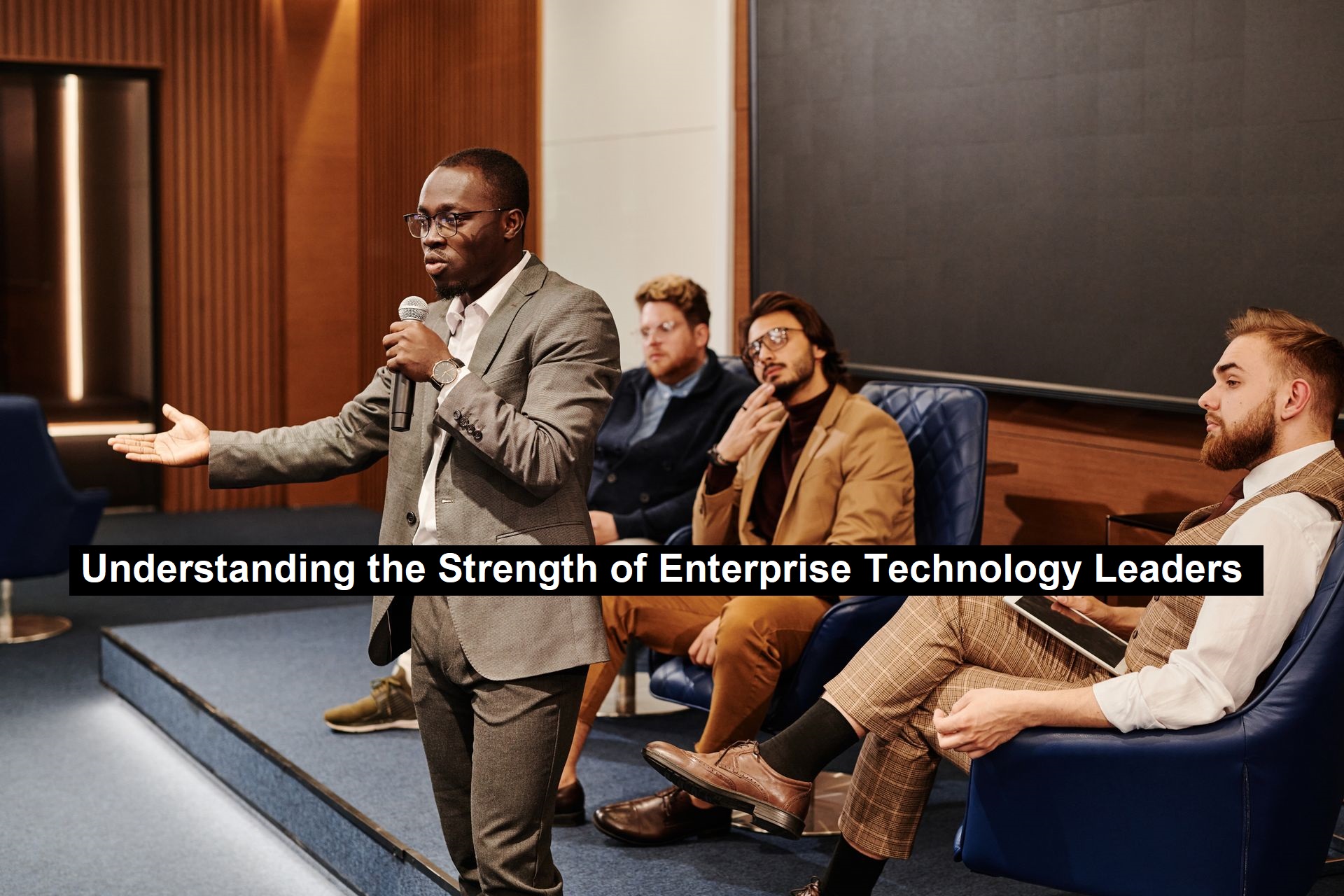
Understanding the Strength of Enterprise Technology Leaders
Technology has become the foundation of modern business. From communication and data management to cybersecurity and artificial intelligence, organisations rely on powerful technology ecosystems to remain competitive. Behind these systems are enterprise technology leaders who have spent decades building infrastructure, developing software solutions, and creating platforms that support businesses across industries.
Investors, business owners, and market analysts often pay close attention to these companies because their influence extends far beyond consumer products. Enterprise technology leaders shape how organisations operate, innovate, and scale. Their ability to adapt to changing market demands while maintaining strong customer relationships has helped them remain relevant through multiple waves of technological transformation.
The Foundation of Enterprise Technology Leadership
Enterprise technology leaders are distinguished by their ability to provide solutions that address complex business challenges. Unlike companies that focus primarily on consumer trends, enterprise-focused organisations build products and services designed to support large-scale operations, improve efficiency, and enhance security.
Businesses depend on reliable technology partners because operational disruptions can lead to significant financial and reputational consequences. This dependency creates strong customer relationships that often last for years. Enterprise software, cloud infrastructure, productivity platforms, and cybersecurity tools become deeply integrated into daily business operations, making these solutions difficult to replace.
Industry experts and technology analysts frequently emphasise the value of recurring revenue models within enterprise technology. Subscription-based services, cloud platforms, and long-term licensing agreements help create predictable income streams while allowing providers to continuously improve their offerings. This stability often contributes to the enduring strength of leading technology companies.
Innovation as a Competitive Advantage
One of the defining characteristics of enterprise technology leaders is their commitment to innovation. The technology landscape evolves rapidly, and companies that fail to adapt risk losing relevance. Successful organisations consistently invest in research, development, and emerging technologies to maintain their competitive edge.
Artificial intelligence, machine learning, cloud computing, and advanced cybersecurity solutions have become major areas of focus. Enterprise customers expect technology providers to help them navigate digital transformation while improving productivity and protecting sensitive information. Companies that deliver practical solutions to these challenges often strengthen their market position.
This focus on innovation is one reason many investors closely monitor developments surrounding Microsoft stock. The company’s continued investment in cloud services, AI integration, productivity tools, and enterprise solutions reflects broader industry trends that influence the technology sector as a whole. Observing how established technology leaders evolve can provide valuable insight into future business and market opportunities.
The Importance of Scale and Ecosystem Development
Scale plays a significant role in the success of enterprise technology companies. Large customer bases provide access to substantial resources that can be reinvested into innovation, acquisitions, and infrastructure improvements. This creates a cycle where successful companies continuously strengthen their capabilities and expand their reach.
Equally important is ecosystem development. Enterprise technology leaders rarely succeed through a single product alone. Instead, they create interconnected platforms that support multiple business functions. These ecosystems encourage customer loyalty by providing integrated solutions that streamline operations and improve efficiency.
Organisations often prefer working with technology providers that offer comprehensive solutions rather than managing numerous disconnected systems. Integrated platforms can simplify administration, improve collaboration, and reduce compatibility challenges. As a result, companies with strong ecosystems frequently develop lasting competitive advantages that support long-term growth.
Read: Fast Credit Repair in Oklahoma: Tips for Quick Score Improvement
Resilience During Market Changes
Technology markets are constantly influenced by economic conditions, regulatory developments, and shifts in customer priorities. Enterprise technology leaders demonstrate resilience by adapting to these changes while continuing to meet evolving business needs. Their ability to navigate uncertainty is often a key factor in maintaining long-term success.
Diversification contributes significantly to this resilience. Companies that serve multiple industries and offer a broad range of solutions are often better positioned to withstand market fluctuations. Revenue generated from various products and services can help offset weakness in specific business segments.
Many analysts point to cloud computing as an example of how enterprise technology leaders successfully adapt to changing demands. As businesses increasingly prioritise flexibility, remote collaboration, and scalable infrastructure, technology providers have expanded cloud offerings to address these needs. Their willingness to evolve alongside customers has reinforced their relevance in a highly competitive environment.
Long-Term Value Creation
Enterprise technology leaders are often evaluated based on their ability to create sustainable value over time. While short-term market movements may attract attention, long-term success typically depends on consistent execution, strategic investments, and customer satisfaction.
Strong leadership teams play an important role in guiding organisations through technological and economic transitions. Effective executives balance innovation with operational discipline, ensuring that growth initiatives align with long-term objectives. This combination of vision and execution helps build trust among customers, employees, and investors alike.
Conclusion
Enterprise technology leaders occupy a unique position within the global economy. Their products and services support essential business functions, drive innovation, and enable organisations to operate more effectively in an increasingly digital world. Their influence extends across industries, making them important contributors to economic growth and technological progress.
By understanding the factors that contribute to their strength, including innovation, scale, resilience, and ecosystem development, investors and business professionals can gain a clearer perspective on what drives long-term success in the technology sector. As digital transformation continues to accelerate, enterprise technology leaders will remain at the forefront of shaping how businesses grow, compete, and succeed in the years ahead.